On Taveuni, the International Dateline threads through the island, quietly shifting the calendar with every sunrise. Taveuni is among the first places on Earth to welcome a new day. The island rises from the sea in deep shades of green. Rainforest spills down volcanic slopes. Rivers cut through villages and farmland before tumbling into the ocean. Known as Fiji’s Garden Island, it is fertile, dramatic, and alive with life.
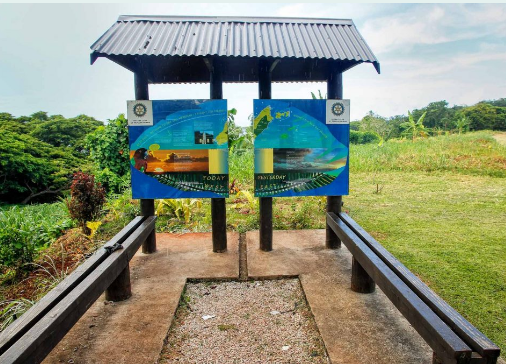
Photo: ilovetaveuni.com
Fiji follows one national time across the country. Yet on Taveuni, the 180th meridian runs directly through the island, marking the path of the International Dateline. Near Waiyevo Village, visitors can stand beside a large map of Taveuni divided in two, one side labelled ‘yesterday’, the other ‘today’. It is a simple, well known stop where geography turns time into something you can see, photograph, and briefly step across.
A landscape that shapes daily life
Taveuni is Fiji’s third largest island and one of its wettest. Rain is not an inconvenience here. It is the reason the island looks the way it does. Rich soil supports dense forest, productive gardens, and farms that feed both families and communities.
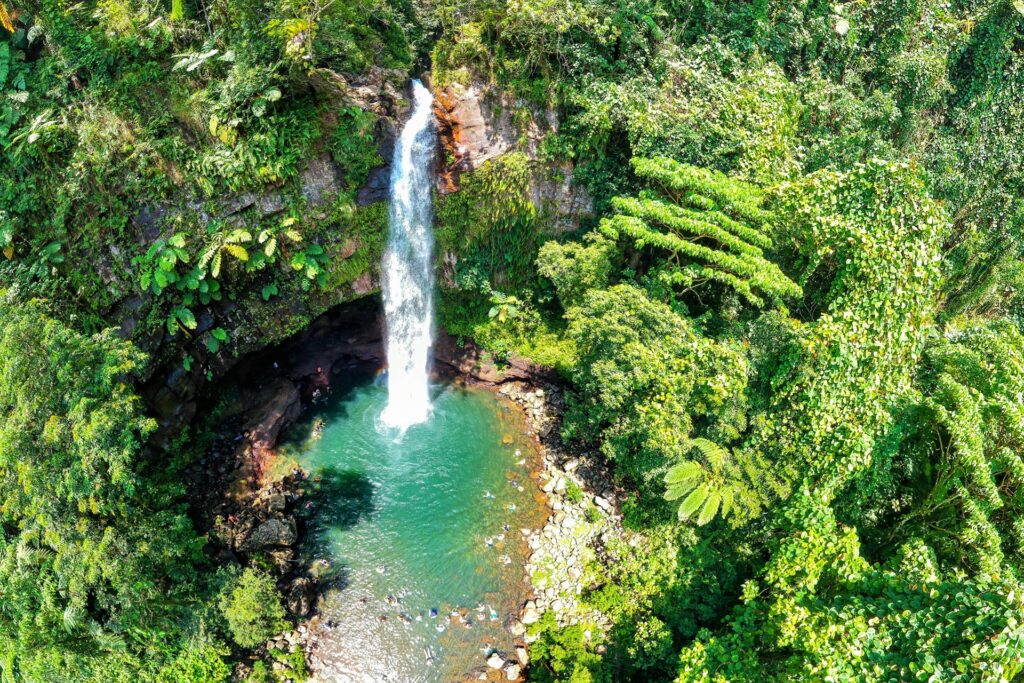
Bouma National Heritage Park protects around 80 percent of Taveuni’s interior. Walking through it feels immersive. Trails pass through thick bush, open suddenly to waterfalls, then disappear back into forest again. The Tavoro Waterfalls are the most well known, but the quieter paths including Lavena Coastal Walk often leave the stronger impression.
Taveuni is also a quiet draw for birdwatchers. The island’s forests are home to native and endemic species, including the Orange Dove and Silktail, commonly seen along forest edges and walking tracks. Early mornings tend to be the most rewarding, when birdsong carries through the bush and encounters unfold at an easy pace.
Taveuni takes its name as Fiji’s Garden Island seriously. Much of island life is shaped by agriculture, both commercial and subsistence. Families grow root crops, raise livestock, and cultivate kava alongside fruits and vegetables. Organic farming and agroforestry are increasingly part of the landscape, while pearl farming offshore adds another layer to the local economy. Together, these activities reflect a way of life closely tied to land, sea, and the changing seasons.
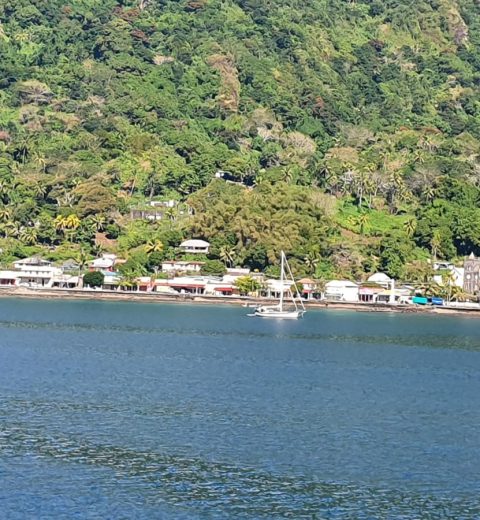
Villages are scattered along the coast and inland valleys. Life follows natural cycles. Fishing depends on tides and weather. Gardens supply kitchens. Food is shared often and generously.
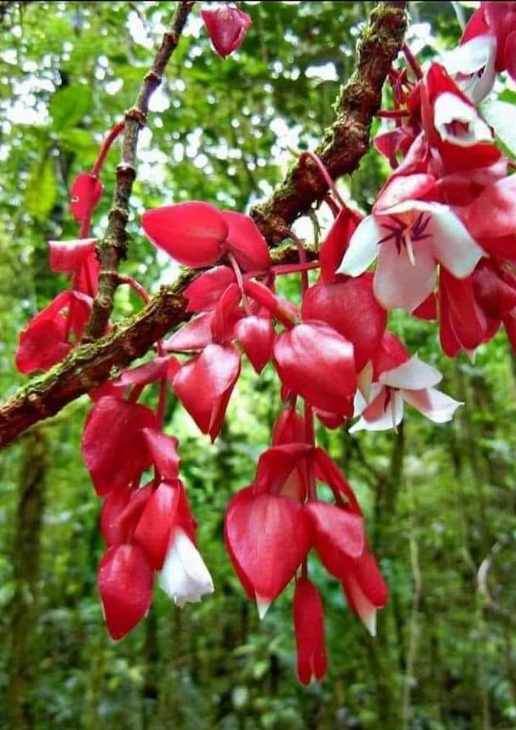
A flower found nowhere else
The Tagimoucia is the official flower of Fiji. Taveuni is known around the world as the only place where it grows naturally. This rare red and white flower blooms high in the island’s cloud forest and has long been woven into Fijian stories and song.
Between October and January, it flowers along the shores of Lake Tagimoucia, nestled in Uluigalua – Fiji’s second highest peak, rising close to 2,000 metres above sea level. Reaching it requires patience and respect for the land, which is part of what makes each sighting feel earned.
Closely linked to legend and symbolism, the flower is protected, making its appearance both special and seasonal. For many Fijians, it represents love, endurance, and the quiet power of the natural world.
World-class diving and living reefs
Beneath the surface, Taveuni is just as alive.
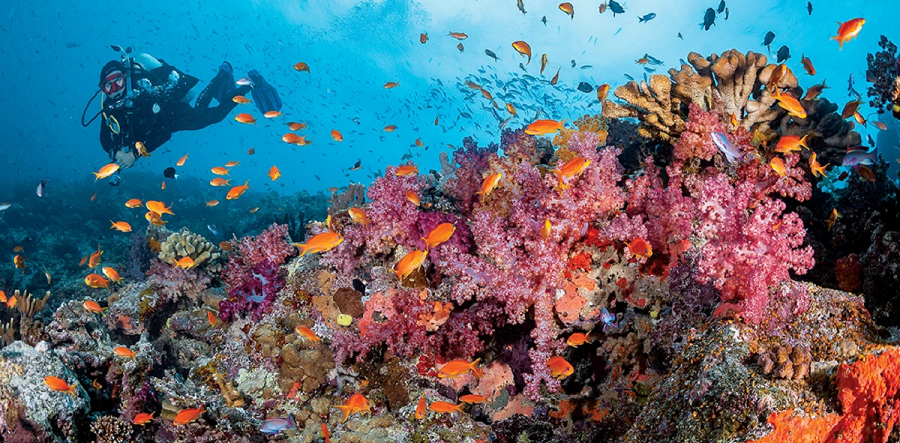
The island sits beside the Somosomo Strait, home to the world-famous Rainbow Reef and Vuna Reef. Divers travel from across the globe to experience its soft coral gardens, shaped by strong currents that carry nutrient rich water through the channel.
Walls of coral glow in shades of pink, purple, orange, and red. Schools of fish move in tight formation. Turtles, rays, and reef sharks are regular sightings. Sites like the Great White Wall have earned international recognition, yet diving here remains calm and uncrowded.
Snorkelling is easily accessible from many parts of the island. Coral reefs lie close to shore, including community-managed areas such as Waitabu Marine Park, making it possible to experience the underwater world without venturing far.
Getting to Taveuni
Most travellers fly from Nadi or Suva to Matei Airport on the island’s eastern side. Flights are short and scenic, often offering views of reefs and forested coastline before landing. For those seeking a more adventurous route, Taveuni can also be reached by boat from Suva or from Vanua Levu, allowing travellers to experience Fiji’s waters and coastal communities along the way.
From the airport or wharf, accommodation providers usually arrange transfers by road or boat. Travel around the island is unhurried, with narrow roads that follow the coast and cut inland through farming areas.
Staying, eating, and exploring
Accommodation on Taveuni ranges from eco-lodges and small resorts to family-run stays. Many places are designed to blend into the environment rather than dominate it.
Meals reflect what the island provides. Fresh fish, root crops, greens, and tropical fruit feature heavily. Food is seasonal, simple, and satisfying.
Our Taveuni place listing brings together where to stay, where to eat, and what to do across the island, making it easier to explore while supporting local businesses.
An island that stays with you
Mornings begin with mist lifting from the hills. Afternoons pass easily between swims, walks, and conversation. Evenings settle into darkness with the sound of the sea.
People arrive curious about waterfalls, reefs, and rare flowers. They leave remembering how it felt to slow down and be nurtured by the island’s lush greenery.
Story curated by EXPLORE Fiji, bringing local places and stories to life.
*Hero image of the colourful Rainbow Reef by Brooke Pyke.
#EXPLOREFiji #Taveuni #FijiTravel #GardenIsland #RainbowReef #BoumaNationalHeritagePark #Tagimoucia #FijiIslands #DivingFiji #SnorkellingFiji #EcoLodges #Waterfalls #VanuaLevu