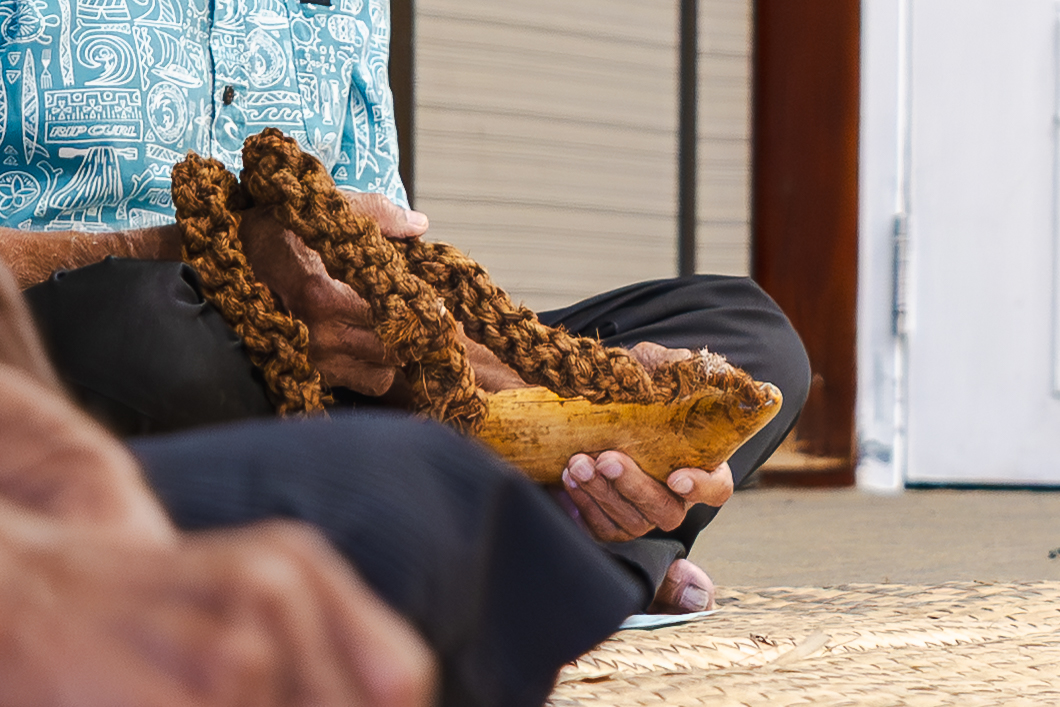
This story is curated by EXPLORE Fiji, in partnership with its Legacy Cultural Partner the Fiji Museum, bringing Fijian heritage to life through people, stories, and artefacts like the tabua.
In the hush of a Fijian dawn, long before modern rituals of gifting and diplomacy took form, a man steps forward with both hands extended. In his palms lies something smooth, weighty, and curved, a tabua, the revered whale’s tooth. There are no words yet, just silence. The air carries the weight of meaning. A tabua is always treated with care because it carries meaning across generations.
In Fiji, objects can speak louder than language.
What Is a Tabua?
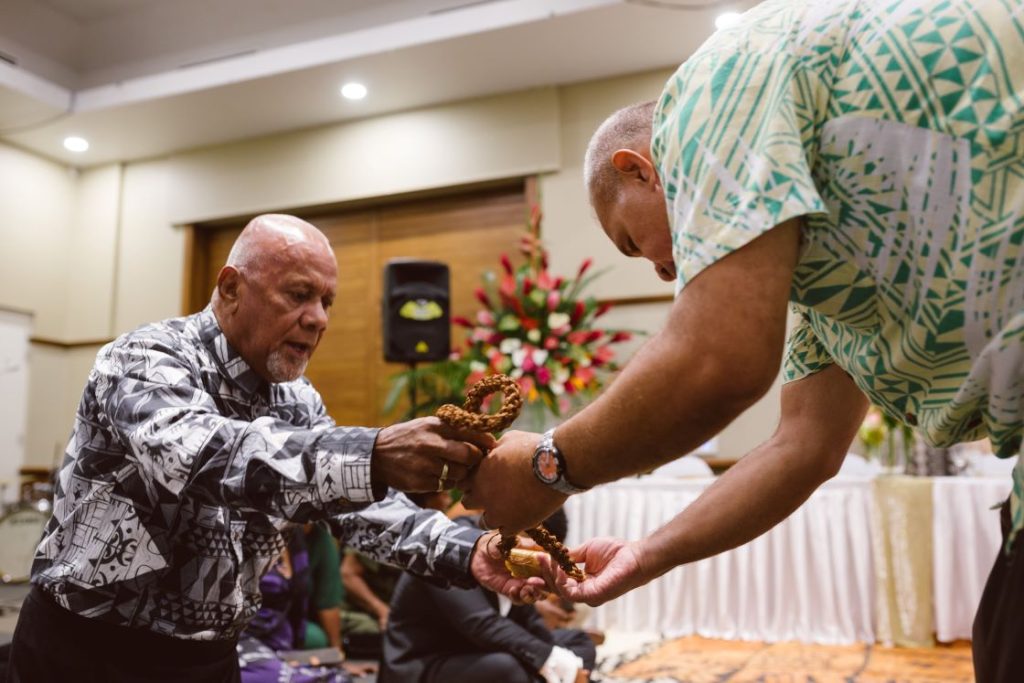
A tabua (pronounced tam-bua) is the polished tooth of a sperm whale. But to call it just that would be like calling a cathedral “a building.” The tabua is ceremony, it is respect, it is history passed from hand to hand. In Fijian culture, it has long embodied the deepest gestures of goodwill – a token of peace, a promise of marriage, a plea for forgiveness. Still today, the tabua is presented at funerals, reconciliations, chiefly installations, and moments when words fall short. It is never casual. Its presence elevates a moment into something sacred.
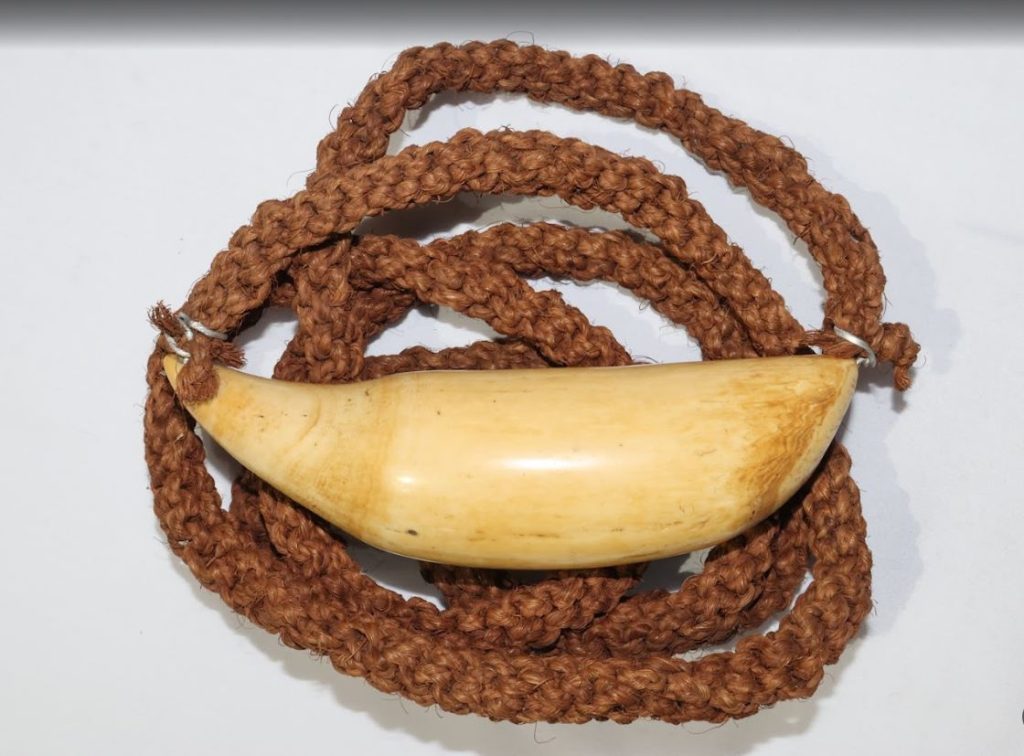
Origins Carved by the Sea
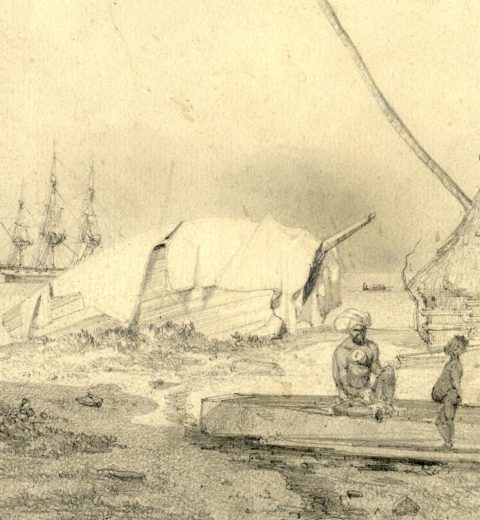
Once, the tabua was a rare object, sourced only when sperm whales beached or died at sea. In the pre-colonial Pacific, such an item could travel vast distances. Oral traditions tell of voyages between Fiji, Tonga, and Samoa, where tabua carried diplomacy between chiefs long before ink ever touched a treaty. In the 19th century, as European whalers entered Fijian waters, sperm whale teeth became more accessible. But even as they became more physically available, their cultural value did not diminish. In fact, their ceremonial use intensified, adapting to changing times without losing meaning.
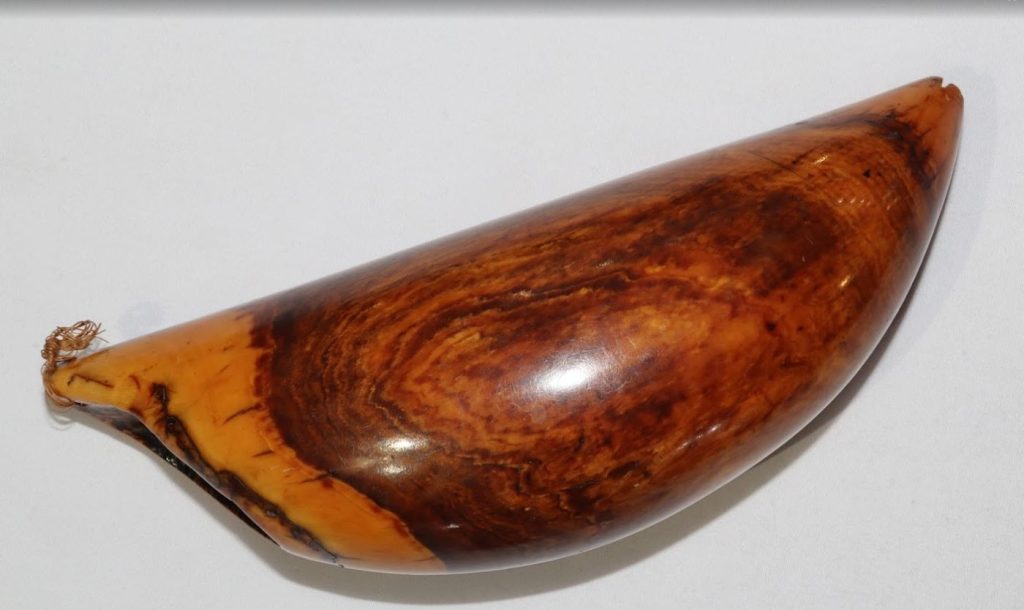
Voices from the Museum
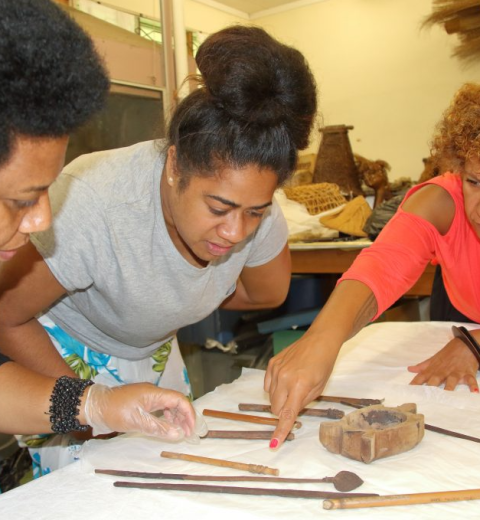
The Fiji Museum in Suva preserves tabua carefully, aware that each is part of a living culture. Ratu Jone Balenaivalu, the museum’s co-leader, explains that tabua are deeply held as culturally iconic material and are always presented with respect and humility. When offered, a tabua carries the responsibility of the message being communicated and the response of the receiver, marking moments of reconciliation, important transitions, or affirmed relationships. Ratu Jone explains that the tabua not only affirms relationships and marks transitions but also embodies continuity through generations, serving as a bridge between our ancestors and the present generation. He adds that when matters of the tabua are discussed, it is a very sensitive issue to the iTaukei community, reinforcing the care and respect with which these objects are presented.
“We are always aware that tabua were used actively in ceremonies, and their cultural significance remains even when they enter the Museum Collection. While accessioned tabua no longer travel through the iTaukei community, we work closely with elders and youth to ensure that their meaning is interpreted respectfully and accurately.”
Through this careful stewardship, the Museum ensures that tabua are understood not merely as objects, but as symbols of respect, accountability, and the continuity of iTaukei cultural identity.
The Weight of Words and Silence
Ratu Jone explains that the meaning of a tabua is deeply tied to the context in which it is offered. It is always presented with respect, and it carries the responsibility of the message being communicated and the response of the receiver.
“When utilised solemnly, the tabua elevates dialogue and restores balance. Guidance from elders and traditional heralds remains essential when presentations are made.”
Even today, the tabua continues to hold this significance in ceremonies, affirming relationships, marking important transitions, and restoring harmony within communities.
Ethical Seas and Changing Tides
The contemporary use of tabua raises an important question: where do they come from today? International agreements like CITES (the Convention on International Trade in Endangered Species) regulate the movement of whale teeth. In Fiji, the sale and ceremonial use of tabua is protected under custom but monitored closely. Most tabua used in ceremonies today are older, inherited, or part of a circulating cache of known, registered tabua. The Fiji Museum plays a critical role in this dialogue. Ratu Jone notes that the Museum is always mindful that its objects are part of a living culture. While the tabua may no longer travel through the community, its cultural significance continues to be interpreted and taught responsibly.
Why the Tabua Still Matters
The power of the tabua lies not in its rarity, but in what it represents: connection.
In a world rushing to digitise everything, the tabua stands still. It asks us to slow down. To sit. To listen. To feel.
In every presentation, the weight of the whale tooth reminds the giver and receiver alike of the generations that have held it before and the legacy that will carry it forward. It isn’t just a relic. It’s a reminder.
“The passing of the traditional knowledge and the deep cultural value of the Tabua culminates with respect, accountability and relationships is very important for the iTaukei identity as it will strengthen cultural and traditional confidence. Preserving knowledge is important as preserving objects thus both are essential to keeping our culture alive.”
A Living Legacy
At the Fiji Museum, school groups often gather around the tabua display, wide-eyed as curators share stories of voyages, reconciliation ceremonies, and weddings. Ratu Jone reminds us that “the passing of the traditional knowledge and the deep cultural value of the Tabua culminates with respect, accountability and relationships,” highlighting how understanding these practices strengthens iTaukei identity. For young Fijians and visitors alike, the tabua is not just an object on display but a living symbol of who the iTaukei are. Exhibitions, guided tours, and community engagement help ensure that both the objects and the knowledge they carry continue to live on.
And so that tabua speaks on, in the voice of heritage, family, and heart.
Hero image by photographer Allan Stephen.
#Tabua #FijianCulture #iTaukei #FijiHeritage #FijianTradition #CulturalCeremony #WhaleTooth #FijiMuseum #LivingCulture #FijianWeddings #EXPLOREFiji