EXPLORE Fiji Insider
Curated by EXPLORE Fiji | Yasawa Islands
YASAWA. A name that means “heavenly” in vosa Vakaviti, the indigenous Fijian language. A fitting word for a place that feels almost dreamlike.
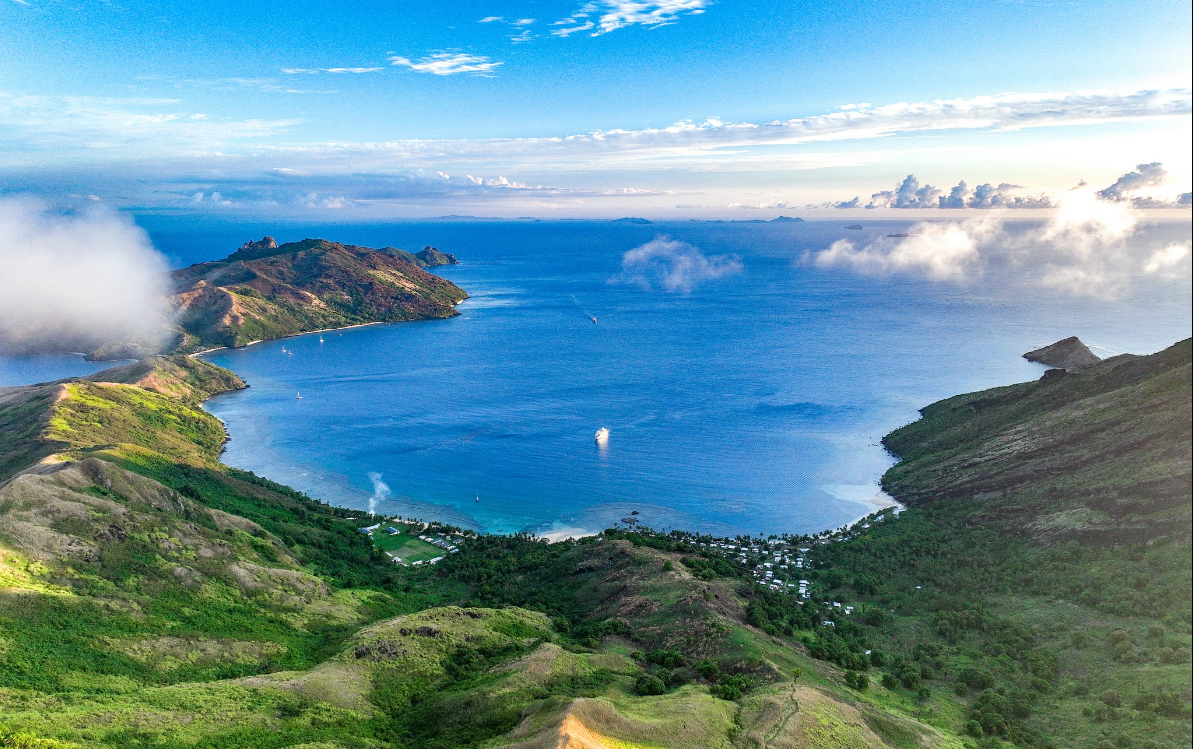
They stretch for 140 kilometres across the electric-blue waters northwest of Fiji’s main island Viti Levu, a chain of around 20 volcanic islands so beautiful that Hollywood came calling (yes, The Blue Lagoon was filmed here).
But beyond the postcard beauty, the Yasawa Islands hold stories that linger just beneath the surface, waiting to be discovered. Whether you are planning your first trip or your fifth, these five insider truths about the enchanting Yasawas will shift the way you see this remarkable archipelago.
1. The Caves That Hid the Fijian Gods
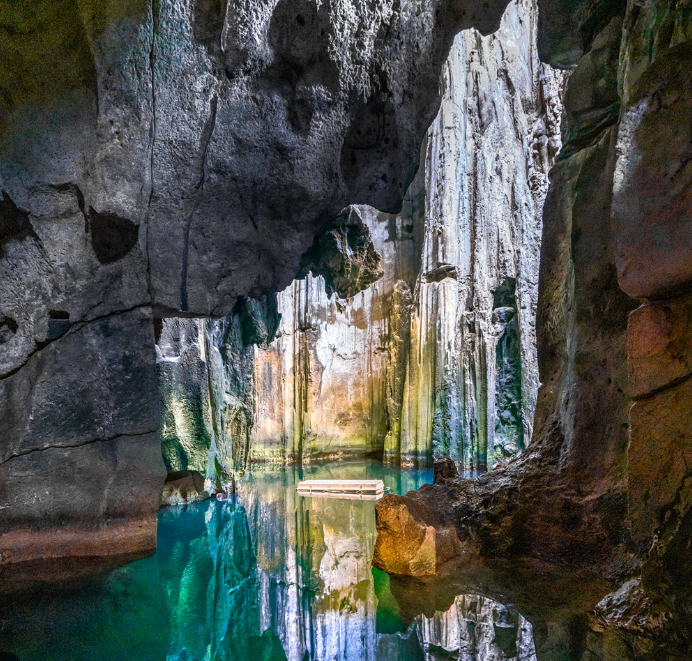
Hidden inside a volcanic island in the northern Yasawas lies one of Fiji’s most extraordinary natural wonders, the Sawa-i-Lau Caves. And when we say hidden, we mean completely concealed within the island itself.
To enter, you swim. The cave’s entrance sits just below the waterline, and visitors duck beneath the surface to emerge inside a cathedral-like chamber where shafts of golden light stream through cracks high in the rock ceiling, dancing across a pool of impossibly clear turquoise water. It feels less like entering a cave and more like stepping into something sacred.
But the real secret lies beyond. A second hidden inner chamber waits behind an underwater tunnel, a brief moment of darkness before the space opens into something surreal and still.
Local Fijian legend adds another layer entirely: these caves are said to be the final resting place of the Fijian gods. Visit at dawn, when the light softens and the silence deepens, and the story reveals itself.
Insider tip: Always book a guided tour to the caves. Local guides know the tides, the safe entry points, and the stories that bring this place to life.
📍 Sawa-i-Lau Island, Northern Yasawa Islands
2. A High Chief Once Kept These Islands Closed to the World
The story of how the Yasawas remained off limits is one of protection, independence, and a High Chief who chose to hold his ground.
Until 1987, land-based tourism in the Yasawa Islands was effectively closed through the authority of the traditional High Chief of the Yasawa Group and local community leaders, who chose to protect their people and way of life. Cruise ships had been passing through since the 1950s, but passengers were required to remain on board.
The result of that decades-long protection is the Yasawas you can visit today. A place that still feels untouched in all the ways that matter.
Insider tip: The respect for traditional chiefly authority remains deeply embedded in Yasawan culture. When visiting villages, always acknowledge and follow local protocols. The sevusevu ceremony is not optional.
📍 Yasawa Islands, Fiji
🔗 Explore island accommodation on https://explorefijionline.com/place-city/yasawa-islands/
3. You Can Dive With Bull Sharks Without a Diving Certificate
In most parts of the world, getting this close to a bull shark is something only experienced divers get to do. In the Yasawas, it has been reimagined as something more accessible, without losing the intensity of the encounter.
At Barefoot Kuata Island Resort on Kuata Island in the southern Yasawas, marine biologist Dr Thomas Vignaud designed a world-class shark encounter called the Awakening Shark Dive, a shallow, responsibly managed experience where even beginners can come face to face with bull sharks, lemon sharks, and blacktip reef sharks. No full PADI certification is required, just a guided introductory dive with trained professionals by your side.
The dive takes place in relatively shallow water, with a strong emphasis on safety, briefing, and supervision. The guides, many of them local Fijians with years of experience from the country’s established shark dives in Beqa Lagoon, are with you every moment.
The sharks are real. The adrenaline is real. And what makes this experience stand out is not just the encounter itself, but the way it opens a door to people who never imagined they would step this close to a shark.
Insider tip: Bull shark numbers reduce slightly between November and February during mating season. For the most reliable encounters, plan your visit between March and October.
📍 Barefoot Kuata Island Resort, Kuata Island, Southern Yasawa Islands
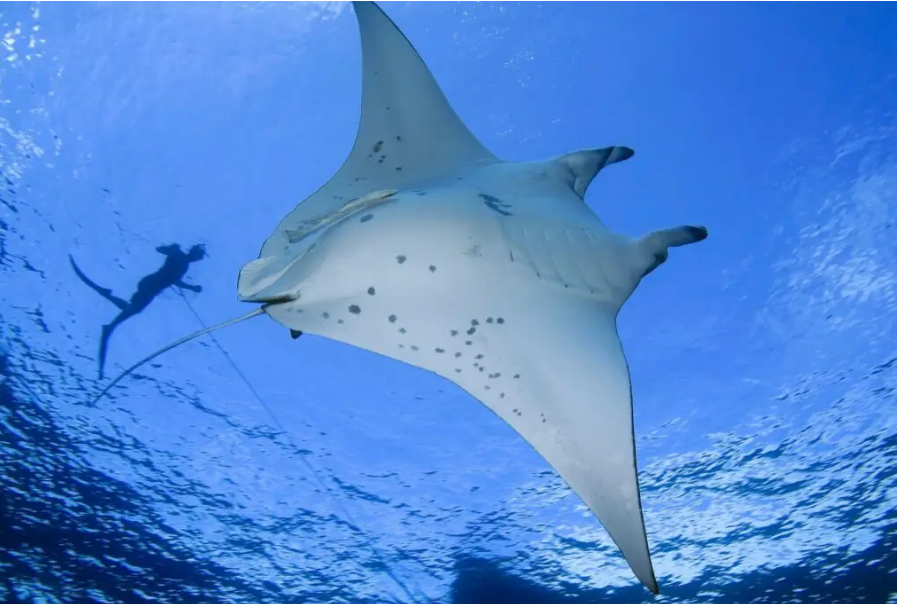
A manta ray glides silently through the waters of Drawaqa Island, one of Fiji’s most extraordinary seasonal marine encounters. Photo: travellingtam.com
4. Manta Rays Gather Here in Numbers
Between May and October, something extraordinary happens in the shallow channel between Drawaqa and Naviti Islands in the central Yasawas. Oceanic manta rays gather to feed on the plankton that concentrates in the current, and on peak days during the season, ten or more of these enormous, graceful reef manta rays (Mobula alfredi) can be circling simultaneously just below the surface.
The most remarkable part is that you do not need to be a diver to experience it. The channel is shallow enough that snorkellers get full access, floating above the rays as they bank and wheel in slow, hypnotic circuits below. When the mantas are spotted, a beach drum is sounded at the nearby resort and guests scramble for the boat.
There is something almost cinematic about the moment, the rush, the stillness once you are in the water, and the quiet awe that follows.
It is one of the most extraordinary wildlife encounters available anywhere in the Pacific.
Insider tip: Peak manta season runs June through September. Book accommodation on or near Drawaqa Island during these months and ask your resort to wake you if mantas are sighted at dawn, where early morning encounters before other boats arrive are unforgettable.
📍 Drawaqa Island (Barefoot Manta Resort), Central Yasawa Islands
5. The Yasawas Were a Crossroads of Pacific History, Then Touched by War
Before the resorts, before The Blue Lagoon, before tourism of any kind, the Yasawa Islands sat within a wider world of Pacific voyaging and connection that most visitors never hear about.
Throughout the 1800s, Fiji’s western islands were part of a broader period of inter-island movement and influence across the Pacific, including contact between Tongan and Fijian chiefdoms through trade, alliance, and occasional conflict. The Yasawas, positioned along these ocean routes, were part of that larger regional story.
Then came World War II. Fiji as a whole became strategically important in the Pacific theatre, with Allied forces establishing bases and supply routes across the group, linking these islands into a global conflict far beyond their shores.
And then, as quietly as it all arrived, it faded. The reefs kept growing. The villages kept fishing. The mats kept being woven. Life, in the Yasawas, continued.
Insider tip: Traditional pandanus weaving is still very much alive in Yasawan villages today. Many homestays and village visits include a demonstration or hands-on weaving session. Take the opportunity as it connects you directly to a craft with centuries of cultural meaning behind it.
📍 Yasawa Islands, Fiji 🔗 https://explorefijionline.com/place-city/yasawa-islands/
Final note: The Yasawas are not just a destination. They are a feeling, a rhythm, and a collection of stories that reveal themselves slowly, if you let them.
#EXPLOREFiji #FijiIslands #YasawaIslands #VisitFiji #FijiTravel #SouthPacific #MantaRays #SharkDiving #SawaILauCaves #PacificIslands #EXPLOREFijiInsider