An EXPLORE Fiji® Feature
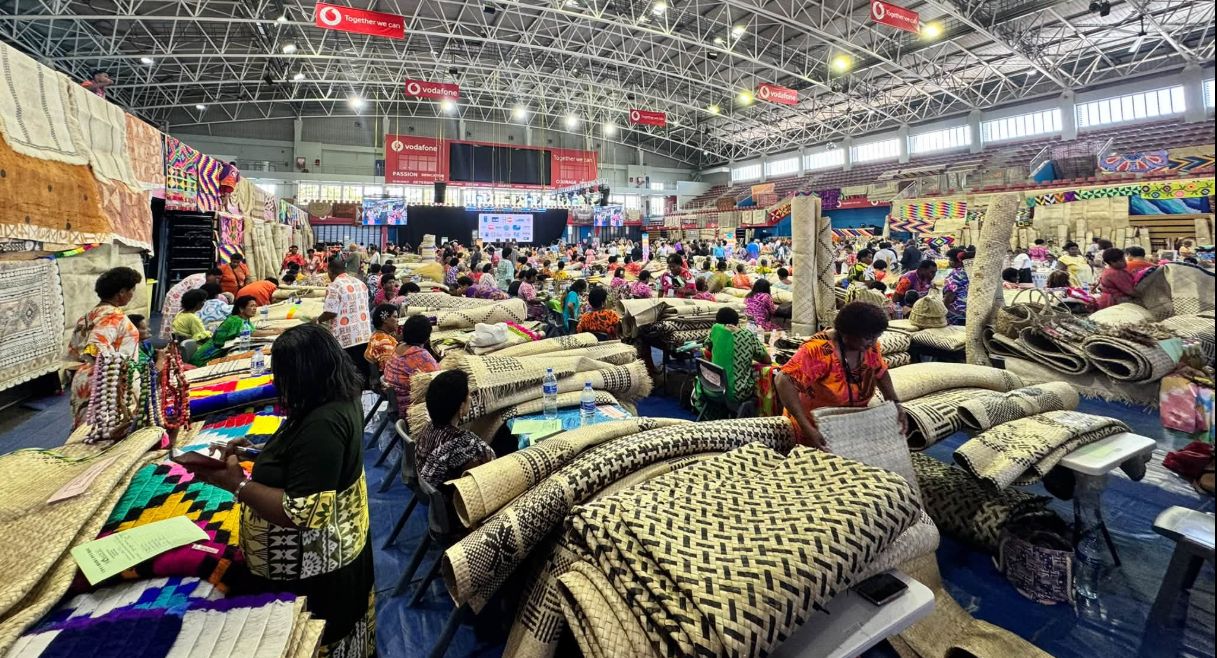
Masi, pandanus, pottery, shells, beads and an abundance of colour filled the floor of Suva’s Vodafone Arena in November, as hundreds of handmade creations came together, each carrying a little of the woman, family or community behind it.
The 8th National Women’s Expo brought around 400 women artisan entrepreneurs from across Fiji to the capital for three days of showcasing, selling and sharing their work. From remote island communities to villages and towns in every division, the makers arrived with pieces that blended traditional craftsmanship with fresh ideas and hours of careful handiwork.
More than what meets the eye
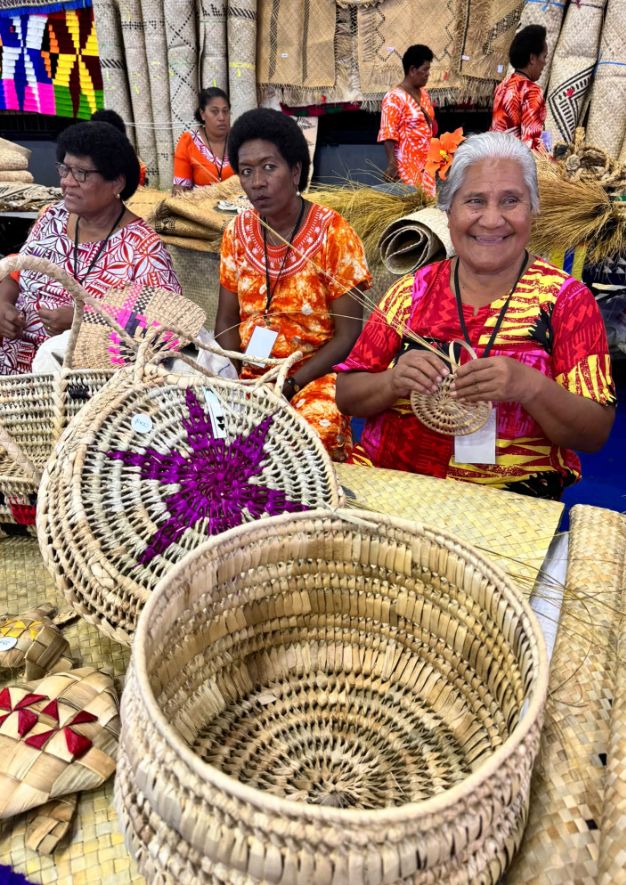
Behind the displays is a considerable amount of preparation that most shoppers rarely see. Pandanus leaves must be gathered, boiled, dried and stripped before they can be woven. Masi requires deep knowledge of materials, patterns and techniques, while pottery, jewellery and other handcrafted pieces call for patience and a steady hand. Some creations take days to complete, and others take months.
For many women, these techniques were learnt at home, passed between mothers, daughters and grandmothers, and kept alive through years of practice. Others were finding new uses for discarded materials, repurposing what might otherwise go to waste into creative, marketable goods.
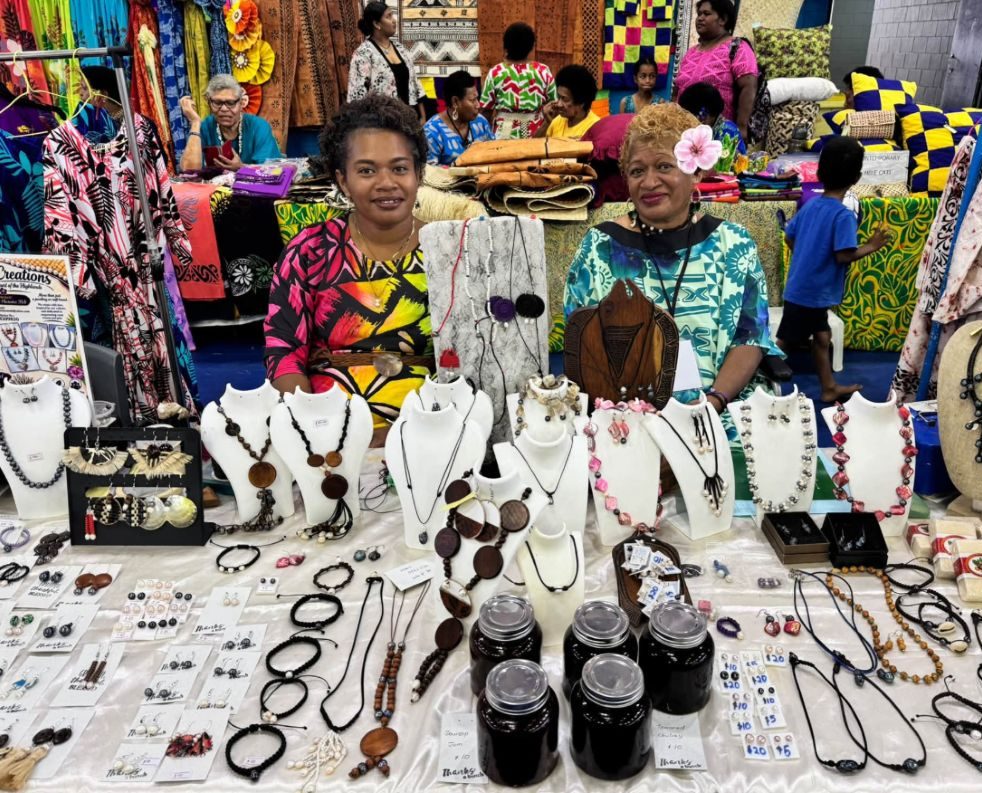
There are practical challenges, too. Securing raw materials, covering the cost of transportation, investing the time needed to produce each item and finding buyers beyond their home villages are all part of running a small craft enterprise.
Yet, the sheer variety across the arena spoke to an industry with plenty of imagination and room to grow. Traditional weaving and pottery sat comfortably alongside contemporary accessories, decorative pieces and items that brought a fresh take to familiar Fijian materials.
For visitors browsing the stalls, it is easy to admire the finished piece. Understanding the time, craft and knowledge behind it makes the experience all the more rewarding.
An economy built by hand
The theme for the 2026 expo, Her Voice, Her Power, Her Future, spoke to a much bigger purpose than simply gathering handicrafts for sale.
For the exhibitors, the event provided a place to meet customers, make connections, exchange ideas and see what others were doing. It was also an opportunity to gain wider exposure and explore new commercial possibilities for their brands.
The range on display extended well beyond woven mats, baskets and masi. There were virgin coconut oils and handmade soaps for the body and home, fashion jewellery, Christmas ornaments, sasa brooms, and tie-dyed and printed shirts and T-shirts, alongside pottery, clothing and other locally made wares. The variety reflected both heritage techniques and modern business innovation.
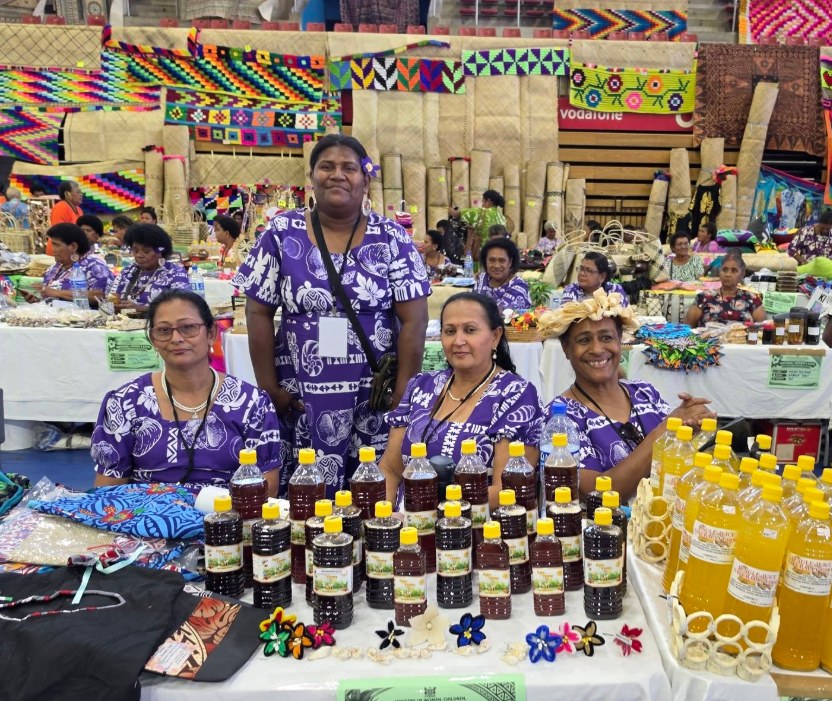
At the opening on 17 November, Deputy Prime Minister and Minister for Industries, Commerce and Business Development Manoa Kamikamica made a statement that captured the economic contribution of women: “Women are not the edge economy, but are actually holding it up.”
He also called for the expo to create pathways to export markets, challenging the country to look beyond exhibition stalls and roadside sales towards opportunities for women to reach retailers and buyers further afield.
It is an ambition worth pursuing. The talent and creativity on display at the expo showed what is possible. The next step is helping more women turn that ability into sustainable businesses, with access to markets, finance, business support and the supply chains needed to grow.
The public response was very encouraging, with exhibitors from all four divisions reporting strong sales throughout the three days.
There was another kind of value, too, one that could not be measured at the cash register. When an older craftswoman shared a technique, a younger entrepreneur discovered a new way to present her wares, or a traditional craft found a new market, knowledge was being passed on and adapted for the next generation.
Put the expo on your Suva calendar
The National Women’s Expo was first held at Vodafone Arena in 2014. Since then, it has become an established feature of Fiji’s annual calendar. Organised by the Ministry of Women, Children, Social Protection and Cohesion, the expo brings together women whose work represents an important part of the country’s cultural and small-business landscape.
For anyone planning a future visit to Suva, the event deserves a place on your 2027 calendar. It offers a different way to experience Fiji, beyond the familiar tourist attractions, with an opportunity to meet the artisans, discover the stories behind their work and buy directly from the women who make it. For upcoming dates and announcements, travellers and shoppers can follow the Ministry of Women, Children, Social Protection and Cohesion website or the official Ministry Facebook page for the next save-the-date notice.
Although the 2026 expo has concluded, the makers behind those creations continue their work across Fiji.
*Photos sourced from Facebook pages managed by Jacqueline Speight and the Fiji Human Rights and Anti-Discrimination Commission.
#Fiji #Suva #ExploreFiji #NationalWomensExpo #NationalWomensExpo2026 #FijiMade #FijianCrafts #FijiCulture #WomenInBusiness #MSME