Artists make climate change visible, human, and lived in the Pacific.
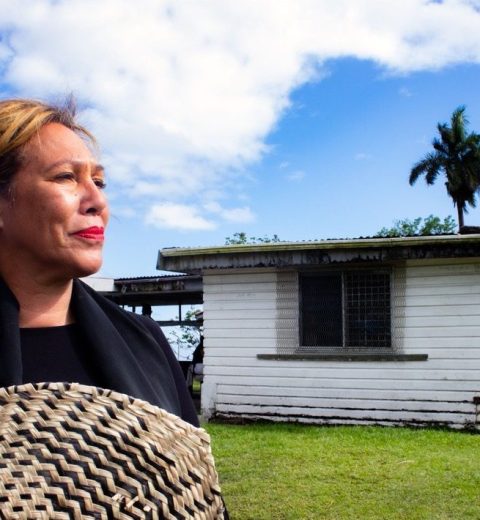
It is a powerful idea and one that sits at the heart of a new tri-nation artist residency coming to Suva in late 2026. For Dr Katrina Talei Igglesden, Director of the Oceania Centre for Arts, Culture and Pacific Studies, it is also where the work begins.
The programme will bring together one senior artist from Fiji, Aotearoa New Zealand and Australia for the first time under a shared residency framework. Hosted at the Oceania Centre at The University of the South Pacific, the six-week residency will allow artists to explore and develop new works on climate change and its impact across the Pacific region.
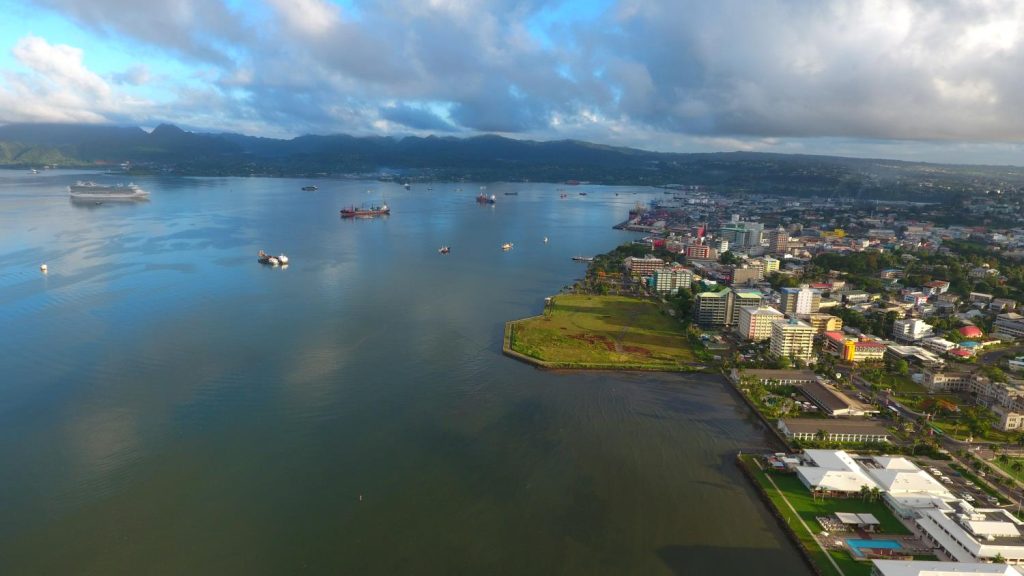
Positioned in Suva, Fiji’s capital and cultural hub, the residency places the city within a growing regional conversation on art and climate change, bringing new visibility to the Pacific as a site of creative response and exchange.
The importance of the initiative, Katrina says, is not found in its structure or scale. It is found in what art allows people to see.
The artist residency programme is supported through a partnership between Creative New Zealand, Creative Australia and The University of the South Pacific. Its intention is rooted in something more human. It is about artistic practice as a way of understanding lived reality.
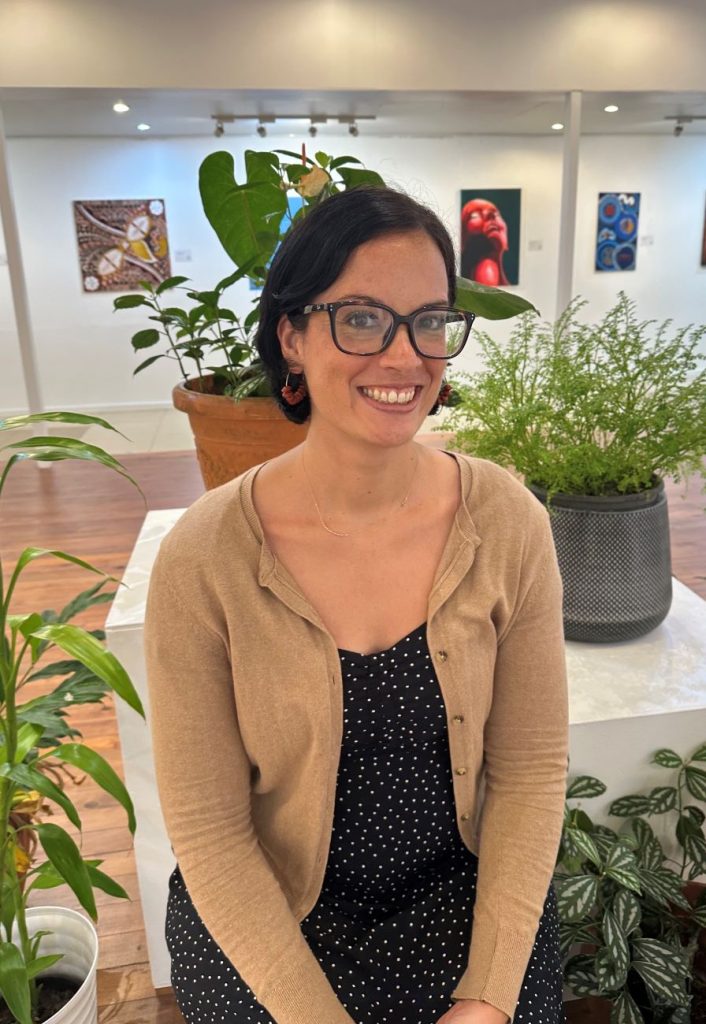
For Pacific communities, Katrina says, art is not separate from daily life. It is daily life. Pacific cultures are innately artistic, and art has a unique means to make difficult and confrontational issues easier to talk about.
“Artists bring the humanity and the ‘real life’,” she says.
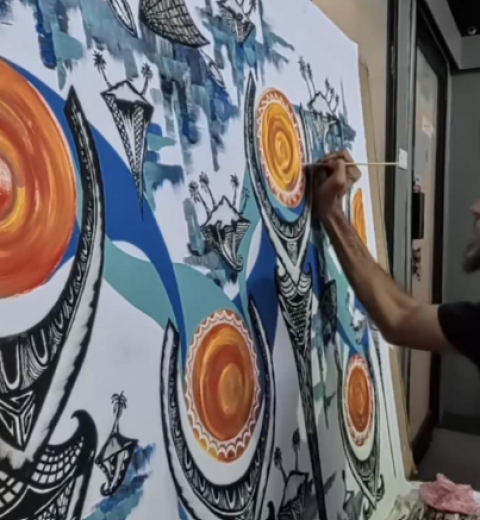
Art, she adds, has the ability to shift climate change from abstraction into lived experience, something that can be seen, felt and understood, not only measured or debated.
“Artists and arts practitioners can turn abstract concepts and data into tangible representations of what is transpiring in climate change – as well as the plights of the people it is affecting the most.”
This is particularly important in the Pacific, where climate change is not distant but a daily reality shaping land, sea and community life. Artists are uniquely placed to reflect that reality in ways other disciplines cannot.
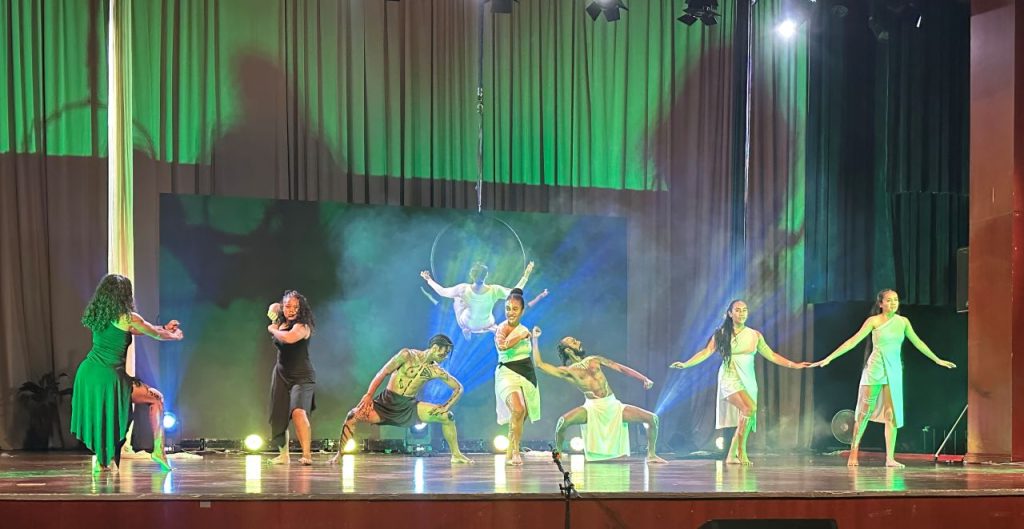
“Multisensory experiences to convey complex messages to widespread audiences is the enduring power of art,” she says.
Katrina is pointed in her observation:
“While our Pacific artists work in places that are regularly and increasingly facing the effects of climate change, the majority of the scientists and the policy makers – whose countries are greatly contributing to the problem – are not; therefore, these artists are making the invisible visible.”
The residency’s supporting partners share that ambition.
Gretchen La Roche, Chief Executive of Creative New Zealand, says:
“Addressing climate change is a priority under the Pacific Arts Strategy as well as one of the most pressing issues for Pacific Island nations. Artists play an important role in shaping how these stories are told and understood. This residency creates space for Pacific artists to collaborate and develop work that speaks to these realities and their own experiences while also supporting them to share their stories on the global stage. The programme also aligns with our national arts strategy Amplify to grow our global reach.”
Adrian Collette AM, Chief Executive of Creative Australia, adds:
“Our joint Oceania Tri-nation Residency provides an exciting opportunity to build enduring relationships between artists and communities, and to celebrate the creative voices that shape our region.”
Katrina describes seeing the residency become a reality as somewhat surreal. The commitment from Creative New Zealand and Creative Australia to “Pacific/Pasifika artists and arts practitioners”, she says, is both wonderful and much needed at a time when funding and support for the arts globally has not been at its highest. It also arrives at an opportune moment. The Oceania Centre marks its 30th anniversary in February 2027, making this residency a fitting and serendipitous lead-in to that milestone.
The residency is designed as a space for exchange rather than output alone. Artists will be given time to work, reflect and engage across disciplines and cultural contexts within Suva.
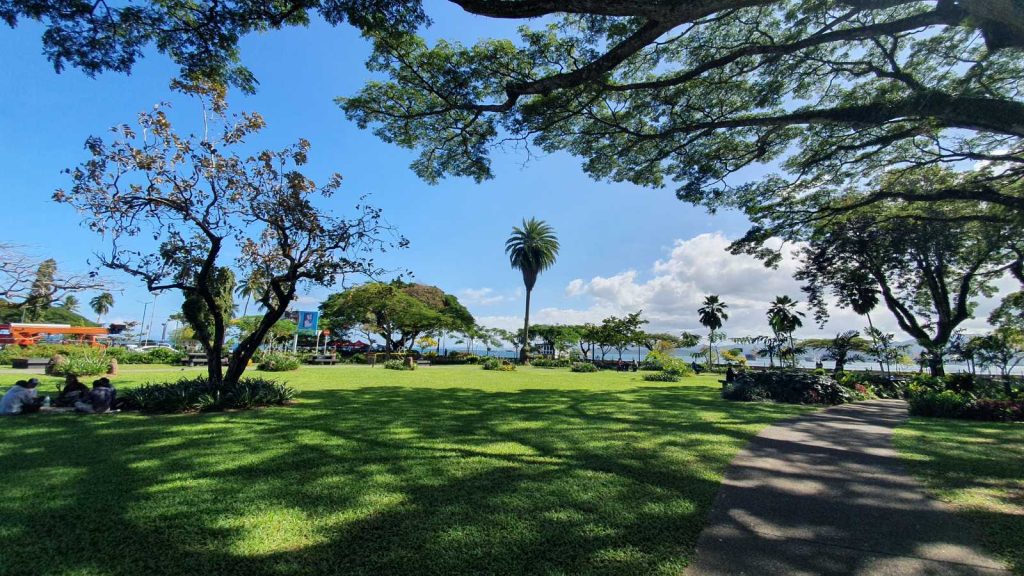
The location is not incidental in Katrina’s view. Suva carries its own layered identity as Fiji’s urban centre and as a meeting point for communities from across the region.
Suva is, in many ways, its own kind of diaspora: nationally and regionally. People from across the country have moved here through urban drift, creating a space where rural and urban lives continuously intersect. It is a place where people build new futures, reconnect with family, or navigate the pull between village ties and city life.
Katrina draws a parallel with Auckland’s ‘Urbanesian’ community, where similar dynamics of movement, identity, and relational responsibility shape urban Pacific life.
Suva becomes a meeting point of difference and similarity, where cultural, familial and regional expectations are constantly negotiated alongside urban life.
Across decades, people from the wider Pacific have also made Suva home, for reasons both voluntary and forced since early external contact. This layered movement has shaped a city defined by diversity and exchange.
That mix of histories, identities and lived experience shapes the residency. With access to communities across Fiji and the wider Pacific, Suva offers forms of exchange and artistic engagement not easily replicated elsewhere.
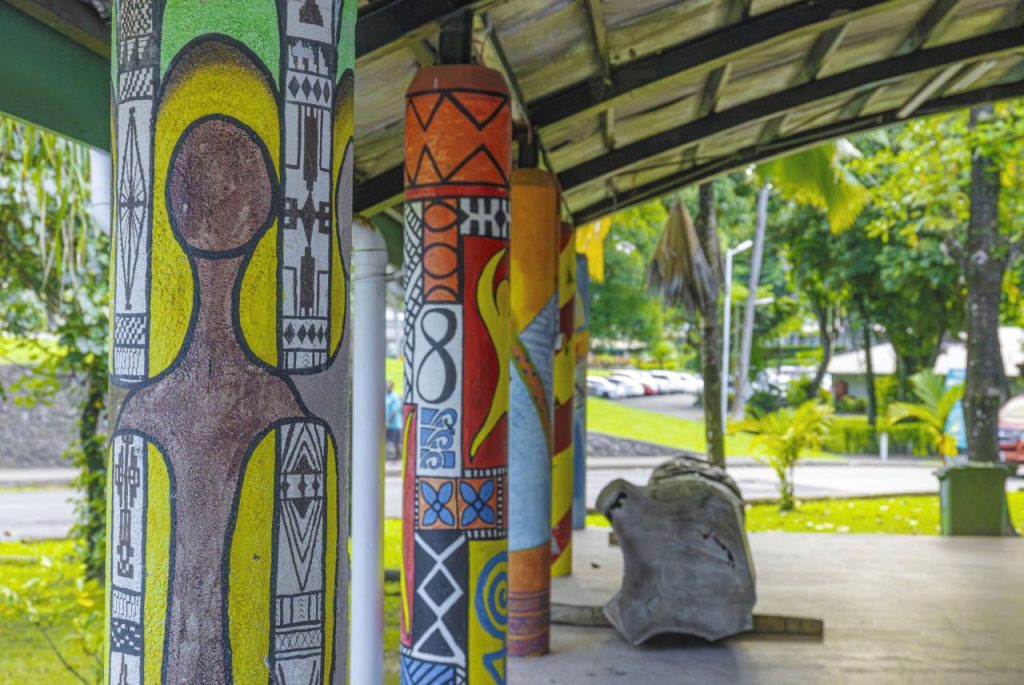
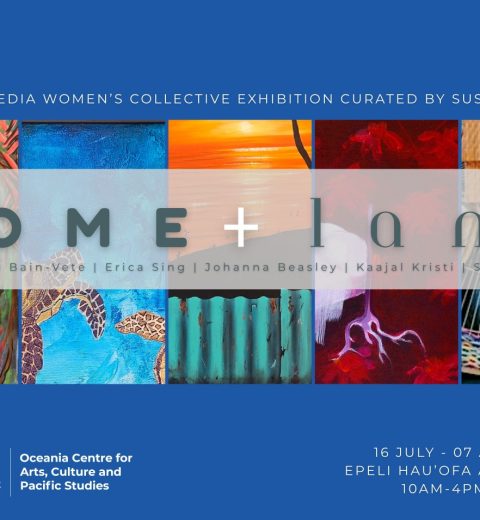
The Oceania Centre holds a significant place in Pacific cultural history. Founded in 1997 by the late transformative Pacific thinker Professor Epeli Hauʻofa, it was envisioned as a space where art and culture sit at the centre of Pacific thought, not at its edges. His idea of Oceania reshaped how the region understands itself as connected and expansive. His legacy is also present through the Epeli Hauʻofa Art Gallery at The University of the South Pacific’s Oceania Centre, which continues to showcase Pacific artistic expression.
This thinking continues through artists and scholars who carry his ideas forward in practice and theory, including playwright and filmmaker Professor Vilsoni Hereniko, who has often reflected on Hauʻofa’s belief that the arts are central to intellectual life in Oceania.
The residency sits within this continuum, where ideas are lived through creative practice. It builds on decades of artistic work at the Centre while expanding what is considered art within its space.
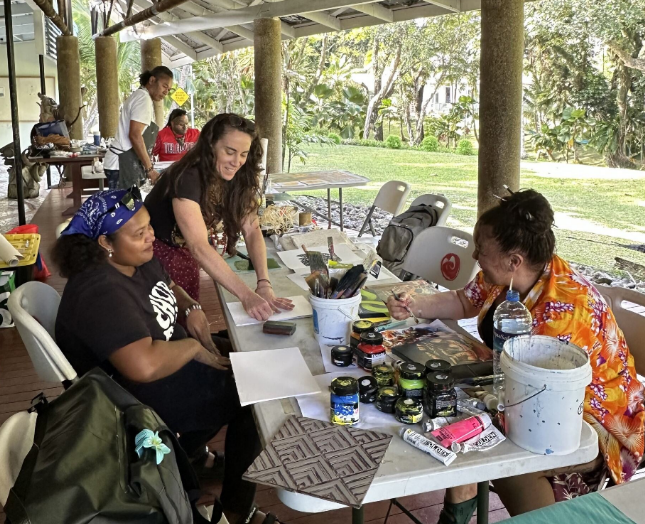
The programme includes disciplines ranging from visual arts and dance to digital arts, literature, experimental practice, community arts and multidisciplinary forms. This openness is essential.
Reflecting on the nature of artistic practice, Katrina says: “I think art is always a simultaneous natural evolution and a turning point.”
The residency is both continuation and shift, reflecting the dynamic nature of Pacific creativity.
At its core, Katrina describes the programme as a connection between artists, countries, and ways of understanding the world.
When the six weeks conclude, success is measured not only through works produced, but through what remains in relationships, ideas and possibility.
Katrina is clear about what she hopes the residency leaves behind:
“I hope the concept of ‘possibility’ remains for the artists.”
“I hope the same remains for Fiji and for the wider Pacific.”
“I hope there is possibility for future iterations; not only in Fiji, but across the Pacific region.”
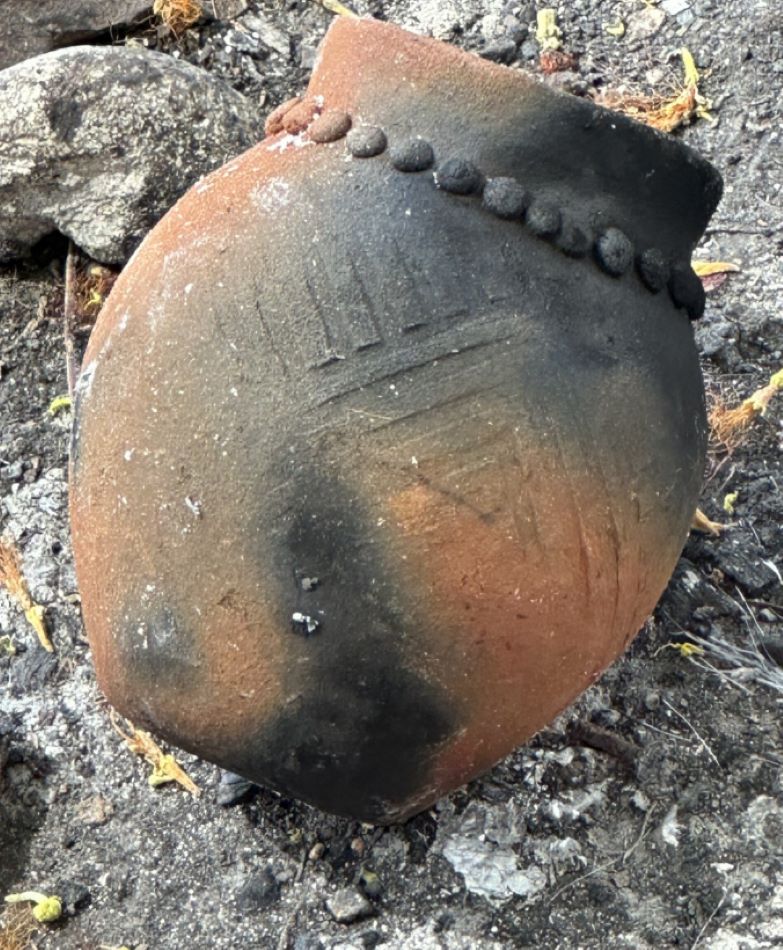
Pottery created and fired during the Ki Uta – Ki Tai Cultural Arts Exchange at The University of the South Pacific’s Oceania Centre, incorporating a range of non-Fijian techniques, including stamping wet clay with lino-cut designs. Photo: OCACPS.
For Katrina, the deeper intention behind the residency can be captured in one word: roots.
She describes it as a way of reconnecting shared histories, relationships and cultural foundations across the region while recognising difference and individuality.
“We all stand on the shoulders of the giants who came before us; they are our roots. One day, our shoulders will provide the foundation for our future generations of thinkers, artists and communities. So why not band together now and create the strongest platform possible for them to soar?”
The residency will run from October 1st to November 12th 2026.
Applications for Expressions of Interest are now open online and will close on June 5th 2026.
For more information and to access the EOI application link, visit:
Creative New Zealand – Oceania Pacific Arts Residency
Story produced by EXPLORE Fiji
#EXPLOREFiji #Suva #PacificArts #ClimateChange #OceaniaCentre #PacificCreatives #ArtsResidency #PacificCulture #CreativePacific #TheUniversityOfTheSouthPacific #FijiArts #ClimateStorytelling #PacificVoices #CreativeExchange #Oceania