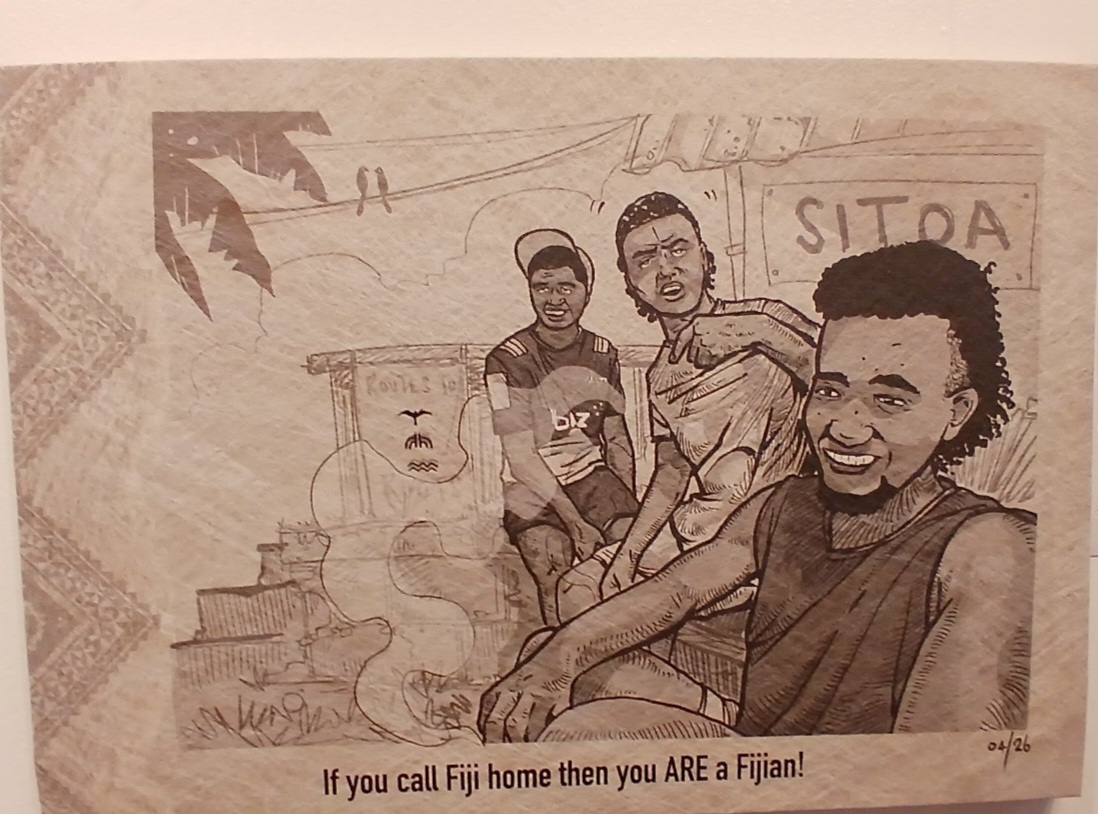
Editorially curated by EXPLORE Fiji®
In Suva, the rhythms of land, sea, and sky are quietly returning to centre stage.
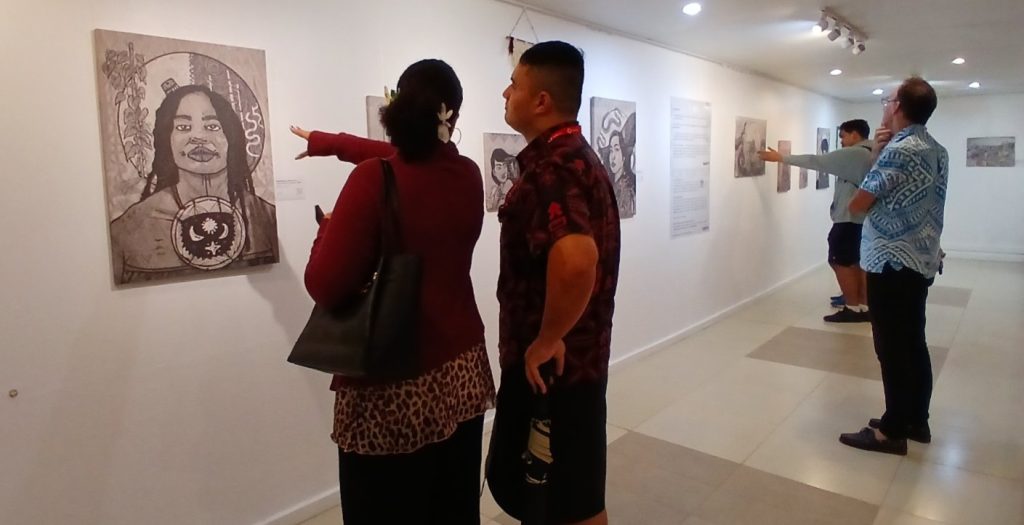
At the Epeli Hau’ofa Art Gallery, Oceania Centre for Arts, Culture and Pacific Studies at the University of the South Pacific, Ropate Rakūita Wailutu Kama’s solo exhibition Vulaiwerewere: Celebrating the Moons of the iTaukei Calendar does not ask for attention in loud ways. Instead, it asks for reflection. For remembering. For questioning what has been lost, what has been carried forward, and what still waits to be understood.
The exhibition runs Monday to Friday until June 26 2026, with free entry and donations welcomed.
For Kama, the exhibition is not simply a presentation of work. It is part of a longer search.
“The inspiration behind Na Vulaiwerewere exhibition comes from a broader research based on identity,” he explains. “The question(s) about identity wasn’t necessarily one that I was asking, but it is one that was and continues to be asked of me.”
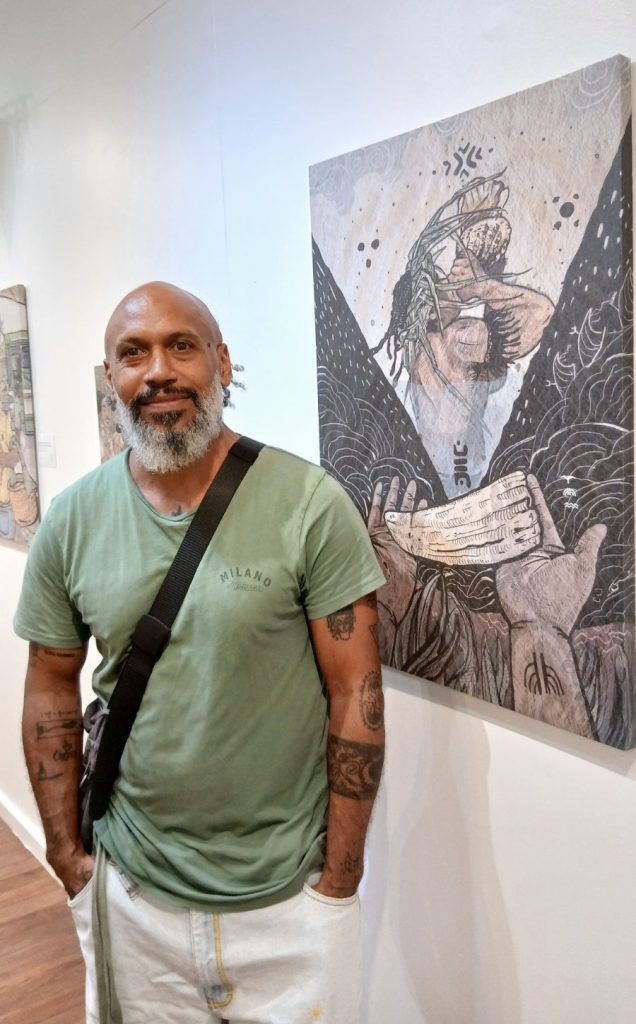
His life story is layered across continents and cultures. Born in England, attended kindergarten in Germany, raised in Nepani, a neighbourhood outside Suva’s CBD, and schooled in the capital city, before later being sent back to the United Kingdom after failing Form 7, he describes an identity constantly being questioned from both outside and within.
Overseas, the questions came in one form. “Where are you from originally?” and even more bluntly, “Why don’t you go back to where you came from?”
At home in Fiji, the questioning shifted. “You’re from here? Why don’t you know your village and your roots?” and the words he recalls in iTaukei, “Oi, isa iko dua vei ira na susu madrai eh!”
It is within these tensions that Vulaiwerewere begins to take shape.
Identity, Questions, and Belonging
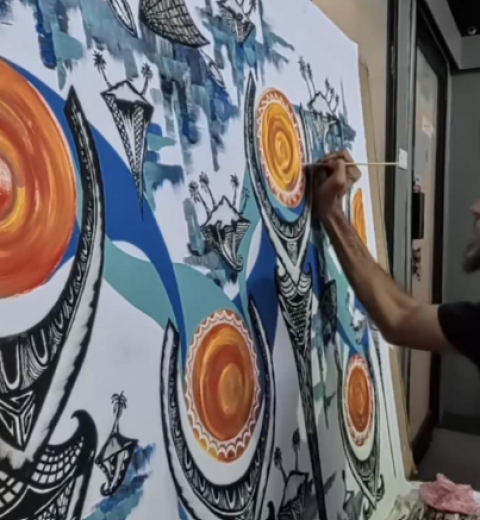
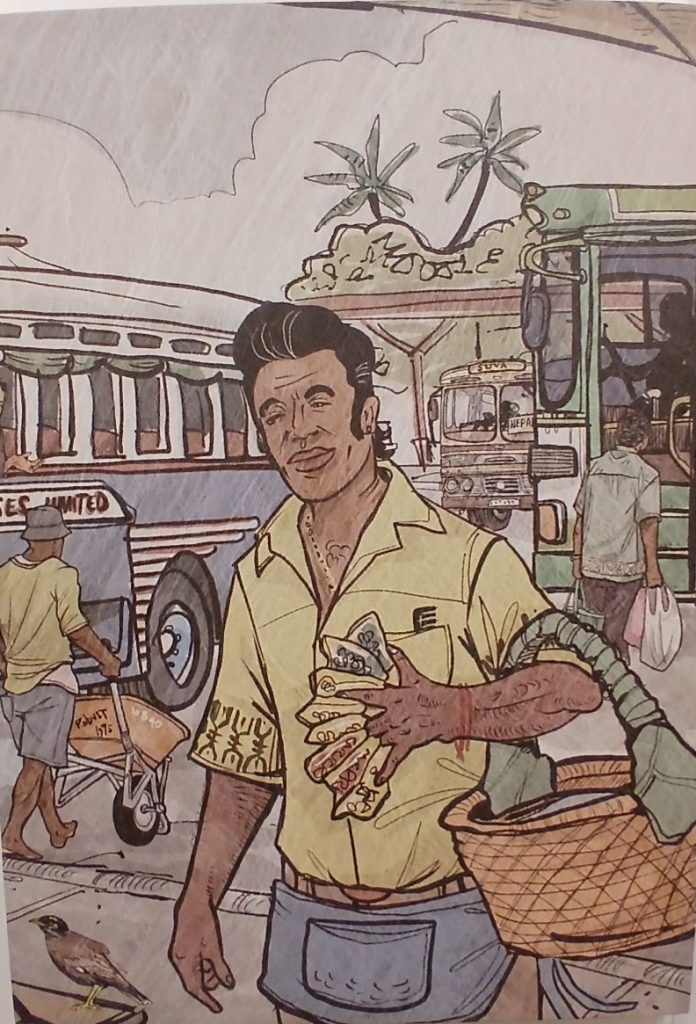
Kama’s work moves across illustration, photography, film, and installation, held together by an ongoing inquiry into identity and belonging. It is a search that has followed him across countries, classrooms, and cultures, and one that continues to surface in his practice today.
From this search, Vulaiwerewere emerges. The exhibition draws its name from a term linked to the beginning of the iTaukei seasonal cycle, a time of clearing, preparation, and renewal.
For him, these cycles speak to how knowledge is carried and remembered across generations.
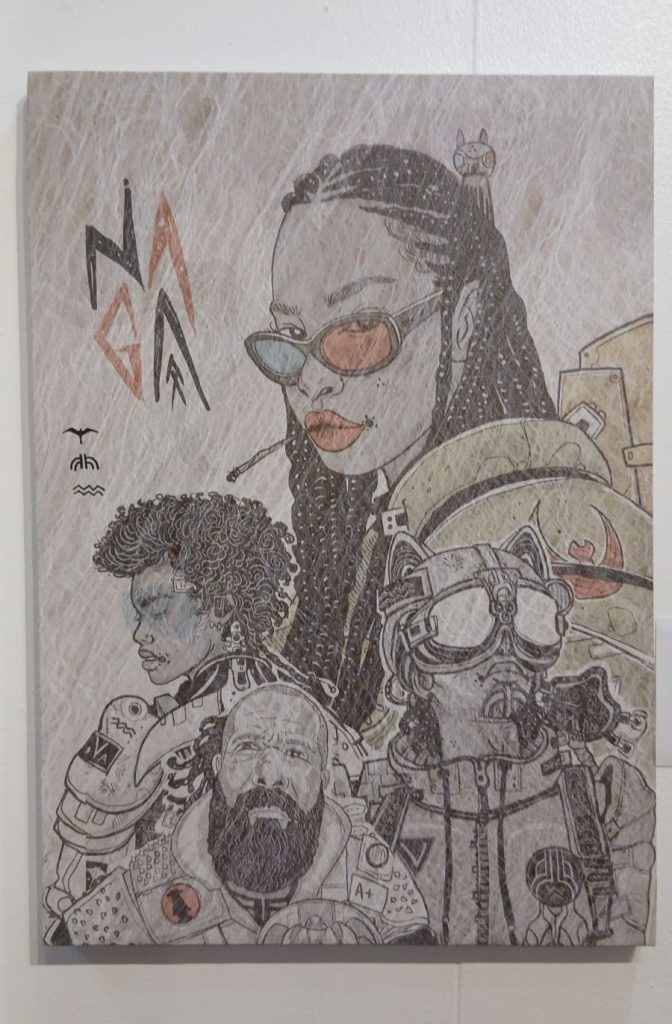
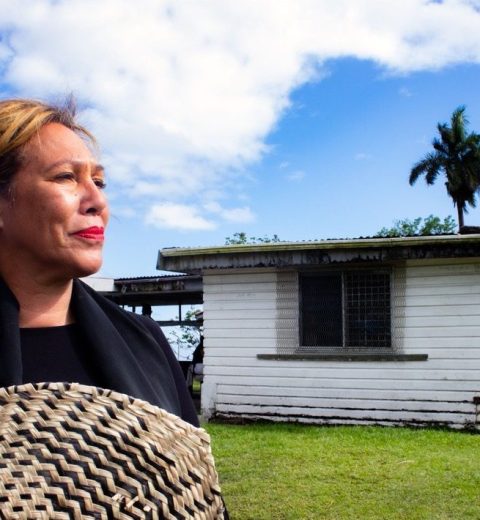
EXPLORE Fiji photo.
Bau, History, and the Weight of Narrative
Kama traces his paternal roots to Bau Village, lomanikoro Bau, on Bau Island in Kubuna, Tailevu. But this connection sits within layers of inherited narrative and interpretation that shape identity in Fiji today.
“The history books we are schooled in have a certain narrative about Bau Island and the role that Ratu Cakobau in particular played,” he says.
For Kama, this is about how knowledge is passed on, and what is left out in the telling. The story of Bau becomes part of a wider question: how do people locate themselves when their history feels incomplete or filtered?
“This miseducation about our identity is the main inspiration behind the research and creative expression,” he reflects.
“I felt like I owed it to myself and to my ancestors to travel further back in time.”
Permission for deeper research came in 2014 from the late Roko Tui Bau, Ratu Joni Madraiwiwi. But the work fully opened years later, during the stillness of 2021, in the COVID-19 period, when external life slowed enough for reflection to deepen and take form.
The Moons and Seasonal Knowledge
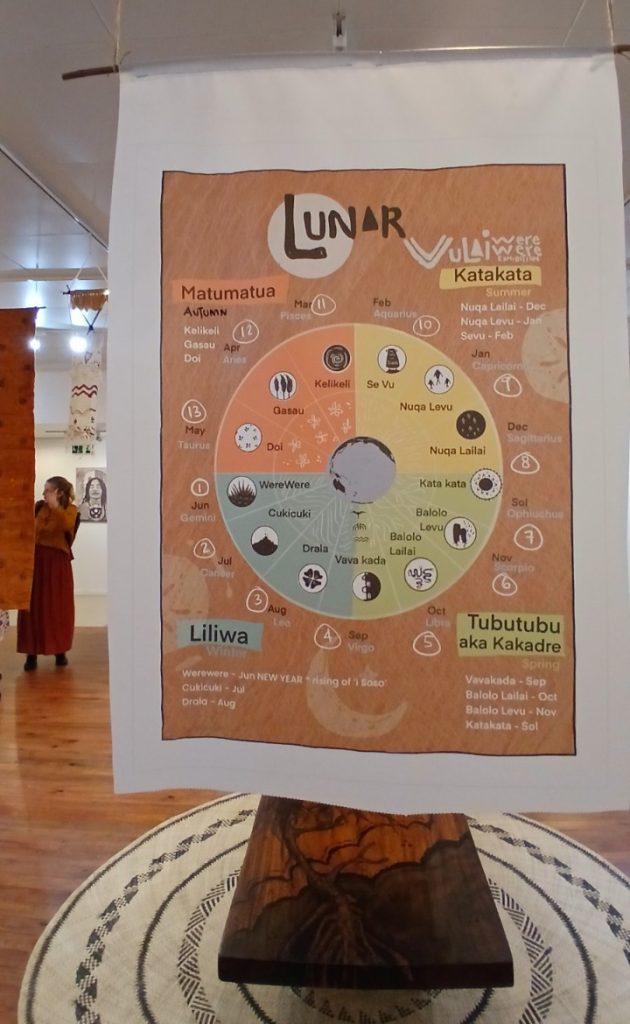
At the heart of Vulaiwerewere is the iTaukei lunar calendar, shaped by land, sea, and seasonal knowledge.
Kama asks why ancestors tracked lunar and stellar movements so precisely, and what that knowledge still offers today.
“Our ancestors tracked the seasons and cycles to survive and to thrive,” he says.
They used art and creative design to discern and express the world around them, weaving sky, earth, and ocean into identity systems known as i cavuti. They also believed in Solesolevaki, the principle of everyone working together for the greater good. This formed the foundation of early learning around mataqali roles and responsibilities, all of which align to serve the Vanua.
Across his wider practice, Kama brings together indigenous knowledge, climate awareness, and emotional reflection.
“As an artist I believe it is our responsibility to unjargon the jargon and uncomplicate the complicated,” he says.
His path includes the British Army, ministry, and photography – all tied together by a search for identity.
“Why does there seem to be a longing for acceptance within certain places and by certain people?”
From Berlin to Vāta
In 2024, a Climate Action Artist Residency in Berlin, Germany with HUDARA and the Mental Health Art Space deepened his inquiry into psychology and climate.
From this came The Sun, The Sea, and Me, a children’s colouring and activity book that follows Rakūi, an octopus whose understanding of a changing world grows through conversations with the Sun and the Sea.
Rakūi asks:
“Oh beautiful sunny
Why are you so hot?”
The exchange becomes one of recognition, shifting between certainty and uncertainty, unfolding through dialogue, repetition, and reflection.
The Sun replies: “Maybe it’s you who has changed, and not me?”
The book is not yet available for sale, with Kama explaining that additional funding is needed to print and publish it. Proceeds from Vulaiwerewere, he says, will help support both the publication of The Sun, The Sea, and Me and an educational booklet based on his exhibition research.
Art, for him, is not defined by medium.
“The best tool is the one in your hand.”
“If you were born from your mother, then you ARE an artist — it’s in your DNA.”
He believes art education in schools should reconnect learners to a greater purpose, through the lens of ancestral ways of seeing and understanding the world.
The hardest part of expression, he reflects, is having the confidence to call yourself an artist. Society, he notes, often places invisible thresholds around who gets to claim that identity.
He recalls a question from Ratu Joni: “What is Na Vatanitawake still standing?” The question continues to stay with him.
“It has more to do with what it stands for,” he reflects, leaving the thought open, much like his work, which continues to unfold and ask questions.
Follow Ropate Kama on Instagram
#RopateKama #Vulaiwerewere #OceaniaCentre #USP #FijiArt #PacificArt #FijianArtist #iTaukeiCulture #FijianCulture #IndigenousArt #ContemporaryArt #CulturalIdentity #EXPLOREFiji #Suva